玉髓與玉同屬「廣義玉石家族」,常被統稱為「玉類寶石」但成分、硬度與市場定位不同。玉髓價格親民、設計多樣,適合日常佩戴;而玉(尤其是翡翠)則定位高端市場收藏,或藝術宗教雕刻的單一件收藏珍品。。建議選購附鑑定證書的產品,確保真偽。
Chalcedony and jade, both in the jade family, differ in composition, hardness, and market positioning. Chalcedony is affordable and versatile for daily wear, while jade is valued for its rarity and cultural significance in premium collections. Choose certified products to ensure authenticity.
玉髓介紹
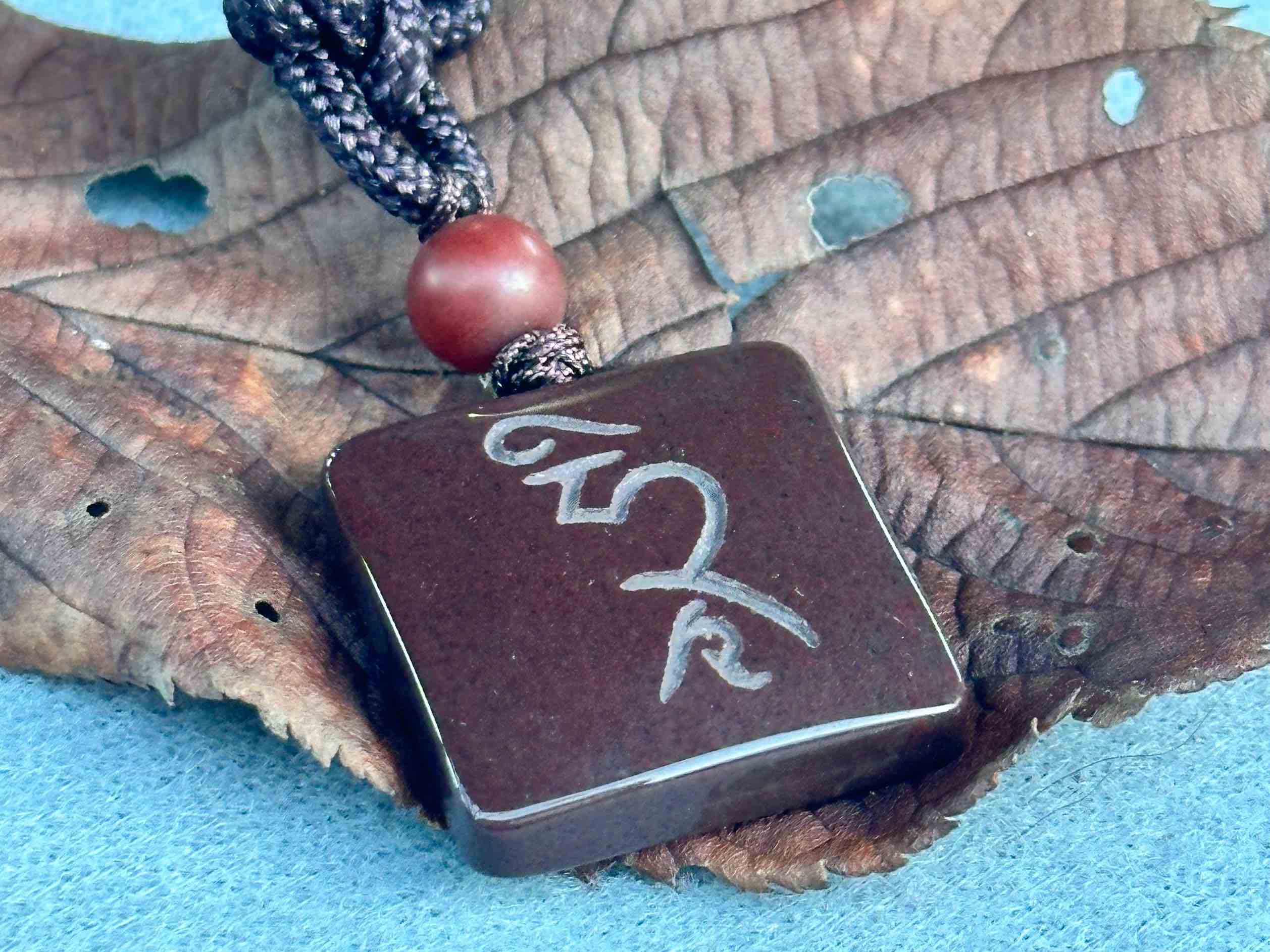
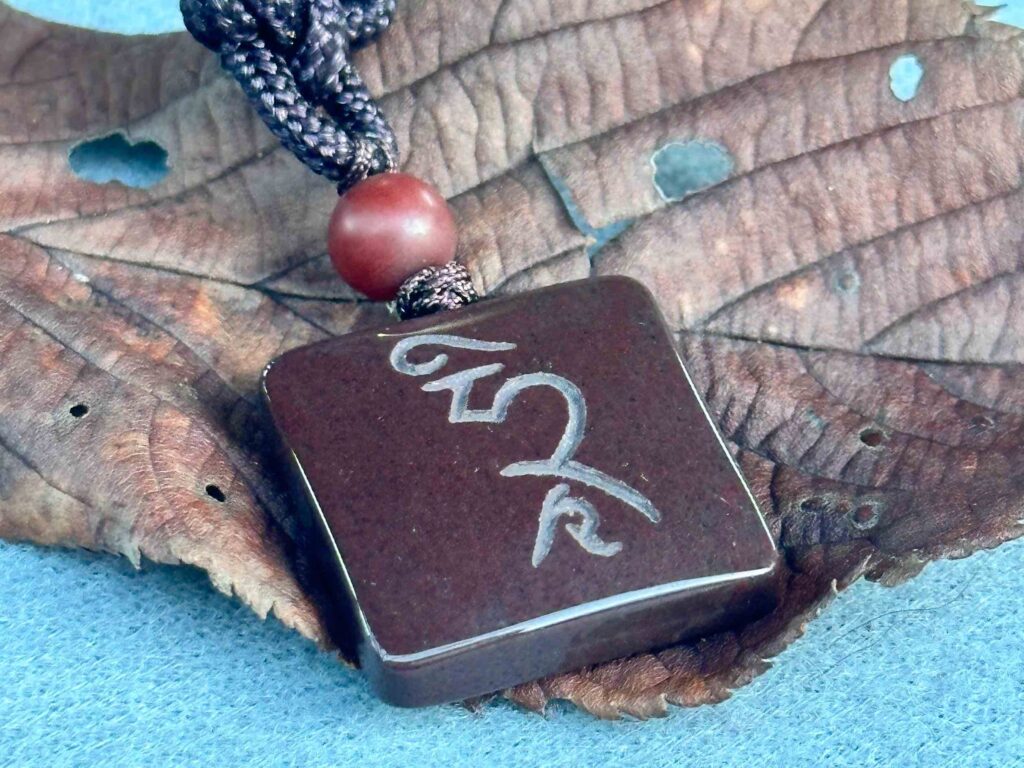
玉髓(Chalcedony)是一種隱晶質石英礦物,主要成分為二氧化矽(SiO₂),屬於石英家族,與瑪瑙關係密切。玉髓的晶體結構細小,肉眼難以分辨,呈現半透明至不透明的外觀,表面具有蠟質或玻璃光澤。其顏色豐富多樣,包括白色、藍色、綠色、紅色、黃色、紫色等,具體色澤取決於內含的微量元素或雜質。玉髓的莫氏硬度為6.5-7,耐磨性較好,適合製作珠寶首飾、工藝品及印章等。常見品種包括紅玉髓(Carnelian)、藍玉髓、綠玉髓(Chrysoprase)、血玉髓(Bloodstone)等。玉髓因其溫潤質地和多樣色彩,常被視為吉祥、辟邪的象徵,廣泛應用於飾品及文化收藏品中。
玉介紹
玉(Jade)在礦物學中主要指兩類礦物:軟玉(Nephrite)和硬玉(Jadeite)。軟玉的主要成分為透閃石-陽起石系列(Ca₂(Mg,Fe)₅Si₈O₂₂(OH)₂),硬玉則以鈉鋁矽酸鹽(NaAlSi₂O₆)為主。玉的莫氏硬度約為6-6.5(軟玉)至6.5-7(硬玉),質地細膩,具油脂或玻璃光澤,常呈現綠色、白色、黃色等色調,其中以翡翠(硬玉中的高品質品種)最為珍貴。玉在中國文化中象徵高潔、祥瑞與財富,常被用於雕刻、首飾及宗教器物,具極高的文化與收藏價值。
玉髓與玉的相關性
1. 礦物學上的區別與相關性:
- 成分:玉髓是二氧化矽(SiO₂)組成的隱晶質石英,屬於單一礦物變種;玉則是角閃石(軟玉)或硬玉石(硬玉)的礦物集合體,成分更複雜。
- 硬度:玉髓硬度(6.5-7)略高於軟玉(6-6.5),與硬玉相當,耐磨性相近,但玉髓韌性較強,不易碎裂。
- 光澤與質感:玉髓呈蠟質或玻璃光澤,透明度從半透明到不透明;玉則以油脂光澤為主,硬玉可呈現較高透明度(如玻璃種翡翠)。玉髓色彩均勻,玉則常有斑點或條紋。
- 產地:玉髓產地廣泛,如中國、巴西、印度等地;玉主要產於中國(和田玉)、緬甸(翡翠)、俄羅斯等地。
2. 市場與文化價值:
玉髓:價格相對親民,適合大眾配戴,因其多樣色彩和穩定物理特性,常被用於時尚珠寶與能量水晶產品。玉髓在西方文化中被認為有療癒、辟邪功效,在中國則被視為「東方瑪瑙」,象徵吉祥。
玉:特別是高品質翡翠與和田玉,因稀有性與文化意義,市場價值遠高於玉髓,在東方文化中被視為尊貴象徵,常用於收藏與雕刻藝藝術。
- 相關性:玉髓與玉均屬於「廣義玉石家族」,常被統稱為「玉類寶石」,均具裝飾與文化價值。因玉髓原物料價格較易入手,常用於著重設計款配飾,或是具有紀念性限量手工訂製物件。而玉(尤其是翡翠)則定位高端市場收藏,或藝術宗教雕刻的單一件收藏珍品。
- 市場定位:玉髓多樣色彩、親民價格及現代感,適合年輕與中生代消費者,著重其穩定能量、趨吉避凶等文化意涵,適合日常佩戴。請勿與硬物碰撞,定期以清水淨化,避免長時間曝曬。玉製產品通常強調稀有性與工藝精湛,翡翠飾品或和田玉雕件,象徵高潔與祥瑞,著重藝術收藏價值。
- 鑑別與真偽:提醒消費者玉髓可能經過染色或優化處理,建議選購時檢查是否有氣泡、人工染色痕跡,或要求專業鑑定證書。玉的鑑別需注意與人工合成玉石的區別,特別是翡翠的A貨、B貨、C貨。
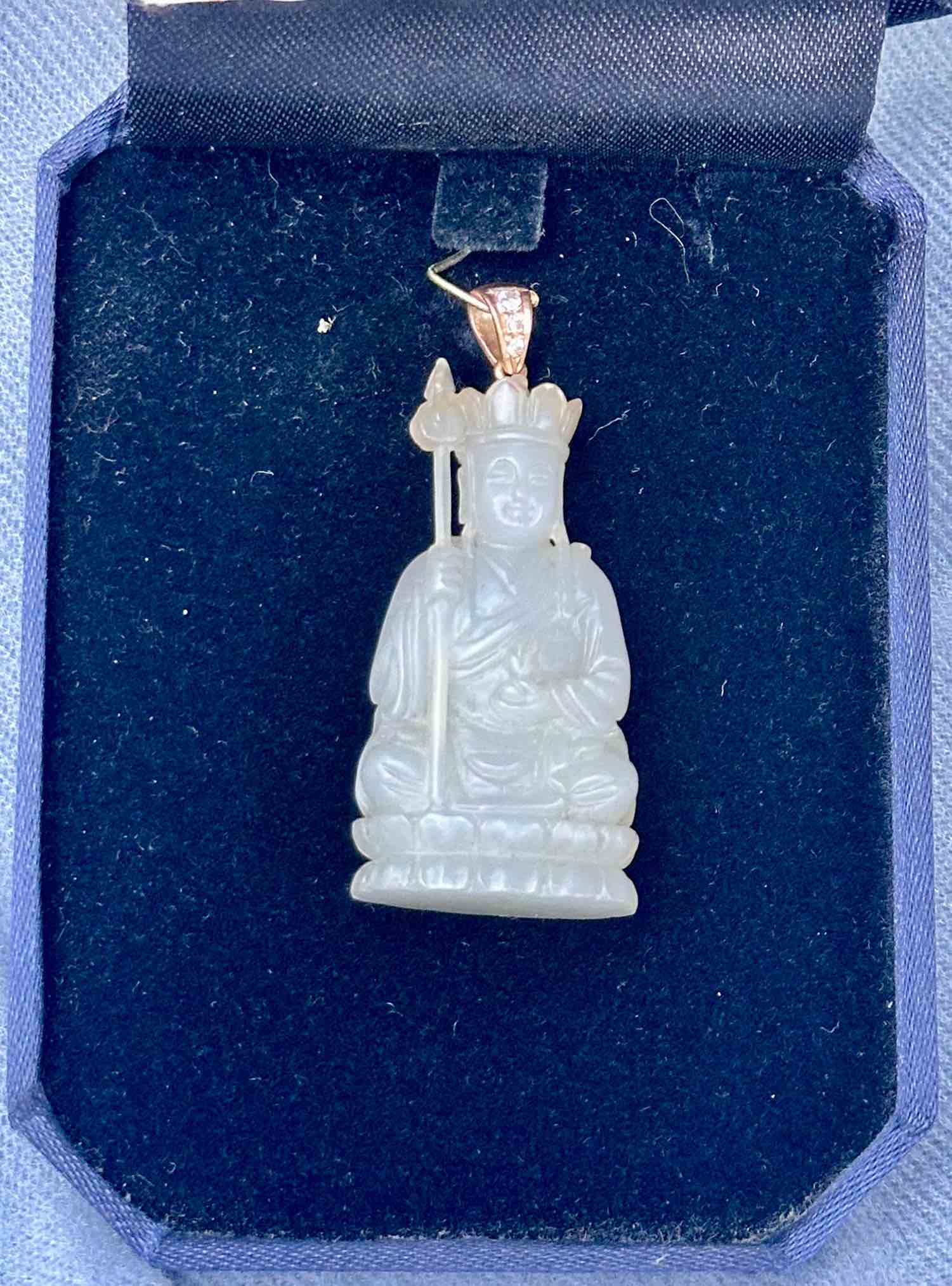
Snying-Po Hetian White Jade with Honey Color
玉髓與玉均為廣義玉石家族成員,因其成分、硬度、光澤及市場定位不同。
玉髓以親民價格與多樣色彩適合日常配戴穿搭,玉則以稀有性與文化藝術價值定位為收藏逸品。
建議選購附有鑑定證書的產品,避免人工合成玉石。
Chalcedony and Jade: Exploring their Features and Cultural Value
Chalcedony Introduction
Chalcedony is a cryptocrystalline quartz mineral (SiO₂), closely related to agate, with a fine crystal structure invisible to the naked eye. It exhibits a waxy or glassy luster, ranging from translucent to opaque, and comes in diverse colors (white, blue, green, red, yellow, purple) due to trace elements or impurities. With a Mohs hardness of 6.5-7, chalcedony is durable for jewelry, crafts, and seals. Common varieties include Carnelian, Blue Chalcedony, Chrysoprase, and Bloodstone. Valued for its lustrous texture and vibrant colors, chalcedony is often seen as a symbol of auspiciousness and protection, widely used in accessories and cultural collectibles.
Jade Introduction
Jade refers to two minerals: Nephrite (Ca₂(Mg,Fe)₅Si₈O₂₂(OH)₂) and Jadeite (NaAlSi₂O₆). Nephrite has a Mohs hardness of 6-6.5, while Jadeite ranges from 6.5-7. Both feature a smooth, oily or glassy luster, typically in green, white, or yellow hues, with high-quality Jadeite (emerald-green jade) being the most prized. In Chinese culture, jade symbolizes purity, auspiciousness, and prosperity, widely used in carvings, jewelry, and religious artifacts, holding significant cultural and collectible value.
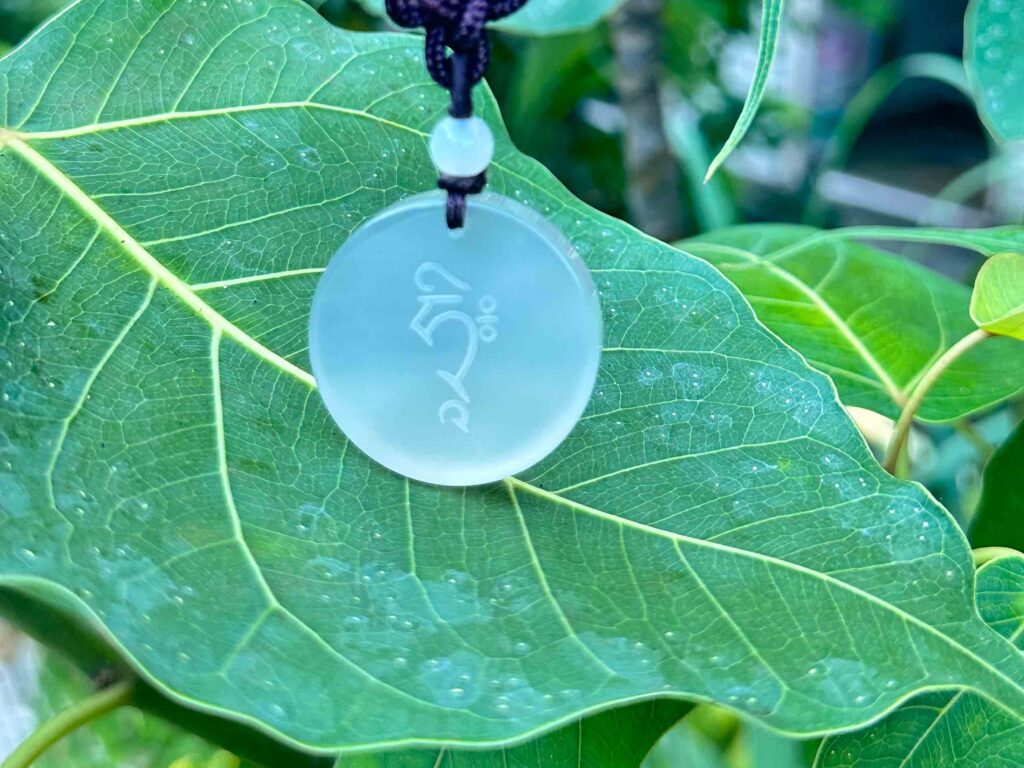
Relationship Between Chalcedony and Jade
1. Mineralogical Differences and Connections:
- Composition: Chalcedony is a single mineral (SiO₂), while jade is a mineral aggregate (Nephrite or Jadeite) with complex compositions.
- Hardness: Chalcedony (6.5-7) is slightly harder than Nephrite (6-6.5) but comparable to Jadeite. Chalcedony is tougher and less prone to cracking.
- Luster and Texture: Chalcedony has a waxy/glassy luster and uniform color; jade features an oily luster, with Jadeite potentially highly transparent (e.g., glass-like emerald jade). Jade often has spots or veins.
- Origins: Chalcedony is sourced globally (China, Brazil, India), while jade primarily comes from China (Hetian jade), Myanmar (emerald jade), and Russia.
2. Market and Cultural Value:
- Chalcedony: Affordable and versatile, ideal for mass-market jewelry and energy crystals. In Western culture, it’s associated with healing and protection; in Chinese culture, it’s called “Eastern Agate,” symbolizing good fortune.
- Jade: High-quality Jadeite and Nephrite are rare and culturally significant, valued for prestige and used in fine carvings and collectibles.
- Connection: Both belong to the “jade family” and are valued for decoration and cultural significance. Chalcedony’s affordability makes it ideal for everyday accessories and limited-edition custom pieces, while jade (especially emerald jade) targets high-end collectors and religious art.
3. Market Positioning:
- Chalcedony: Its vibrant colors and affordability appeal to younger and middle-aged consumers, often linked to energy stabilization and auspiciousness. Avoid hard impacts and prolonged sun exposure; clean with water periodically.
- Jade: Emphasizes rarity and craftsmanship, with emerald jade or Hetian jade carvings symbolizing purity and prosperity, ideal for collectors.
- Authenticity: Chalcedony may be dyed or treated; check for bubbles or artificial coloring and request certification. Jade requires differentiation from synthetic stones, especially A, B, or C-grade emerald jade.
Conclusion Chalcedony and jade, both part of the jade family, differ in composition, hardness, and market positioning. Chalcedony suits everyday wear with its affordability and vibrant designs, while jade is prized for its rarity and cultural value in high-end collections. Choose certified products to ensure authenticity.
Sources:
- Om Ratna Center
- General Knowledge: Wikipedia – Chalcedony, JadePalace